No app, no scanning, and no guesswork. The replacement reminder appears directly on the label.
Smart Color-Changing Lifecycle Label
A simple way to show when textile products should be replaced.
WiseLabel is a color-changing lifecycle label designed to show the right time to replace textile products. As garments and textiles are washed and used, the label changes color and gives a clear visual reminder on the product itself.
UnderwearBabywearTowelsBeddingHigh-use textile programs
Tell us about your product and use case so we can guide you to the right sample, customization, or project discussion.
Suitable for underwear, baby clothing, towels, bedding, and other products with repeated washing and daily use.
The concept is already shown across apparel, babywear, home textiles, and other categories where replacement timing matters.
What It Is
Lifecycle label
What is Lifecycle Label?
Lifecycle Label is a color-changing textile label designed to indicate the optimal time for replacement. Using WiseLabel material technology, it gives users a visible reminder to change textile products at the right stage, helping support hygiene, product understanding, and a clearer replacement cycle.
The label helps users understand when it is time to replace a product, instead of relying on memory alone.
The concept is intended for products that are washed often, used close to the skin, or difficult to judge by appearance alone.
Brands can use the label to explain hygiene, care, and replacement logic in a way customers can see directly on the product.
How It Works
How Does Lifecycle Label Work?
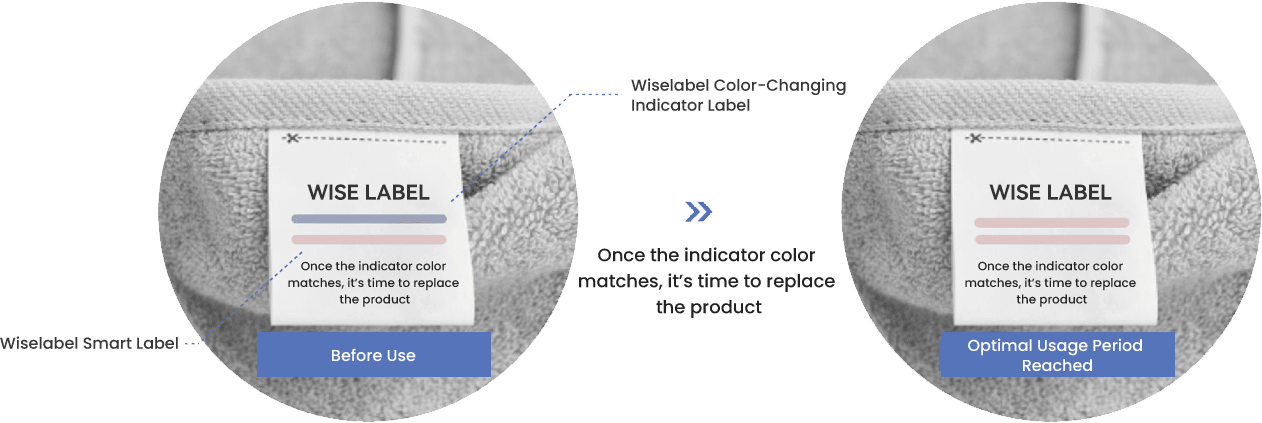
WiseLabel uses advanced color-changing materials that respond to specific washing conditions and frequencies. As textiles are washed over time, the label color changes gradually and provides a clear visual signal for replacement.
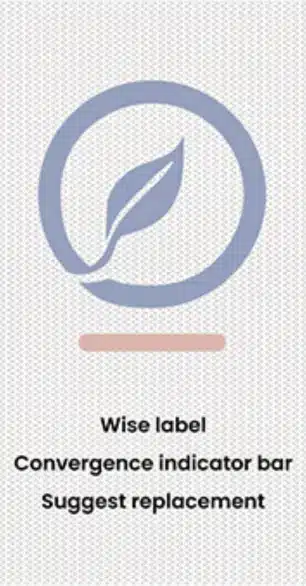
Before use
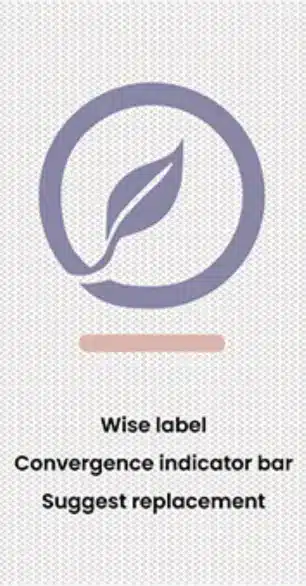
After 15 days
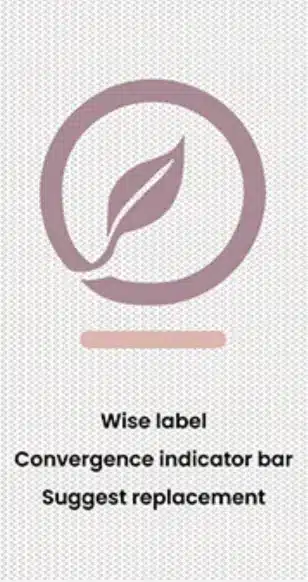
After 45 days
After 90 days
The replacement cue stays on the label itself, so users do not need an app, scanner, or extra device.
Washing and repeated use gradually drive the color transition, making the reminder easier to notice.
Different textile categories can use different replacement timelines, label formats, and design approaches.
Key Technology
Key Technology
WiseLabel uses responsive materials designed to react to characteristic environmental variables such as washing, specific compounds, friction, sunlight, and oxidation. The goal is a controllable and visible transition that works in real textile use.
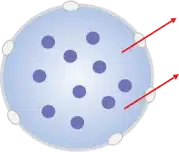
By controlling the pore size of the shell structure and the scale of the core material in the core-shell structure, a controllable overflow rate can be achieved.

Adsorption of free radicals in the air together with the influence of light helps drive changes in molecular conformation.
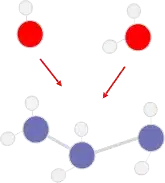
The material can form new molecular structures through reactions with specific molecules under intended conditions.
Applications
WiseLabel Product Solutions
The same lifecycle-label logic can be adapted to different product categories. It is especially useful where hygiene, skin contact, washing frequency, or service quality already matter to the buyer.
Category fit
Start with the category, then shape the product fit.
Underwear, babywear, towels, bedding, and other frequently washed textile products are natural starting points. Hospitality and care-related textile programs can also benefit from a clearer replacement story.
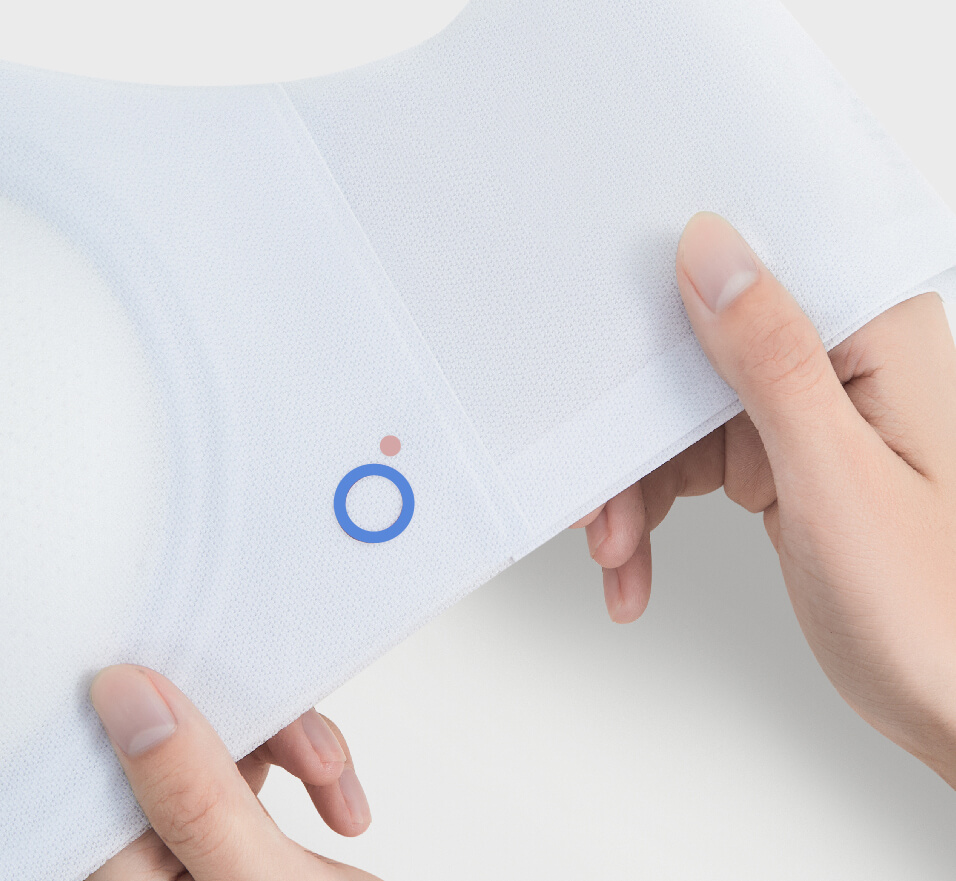
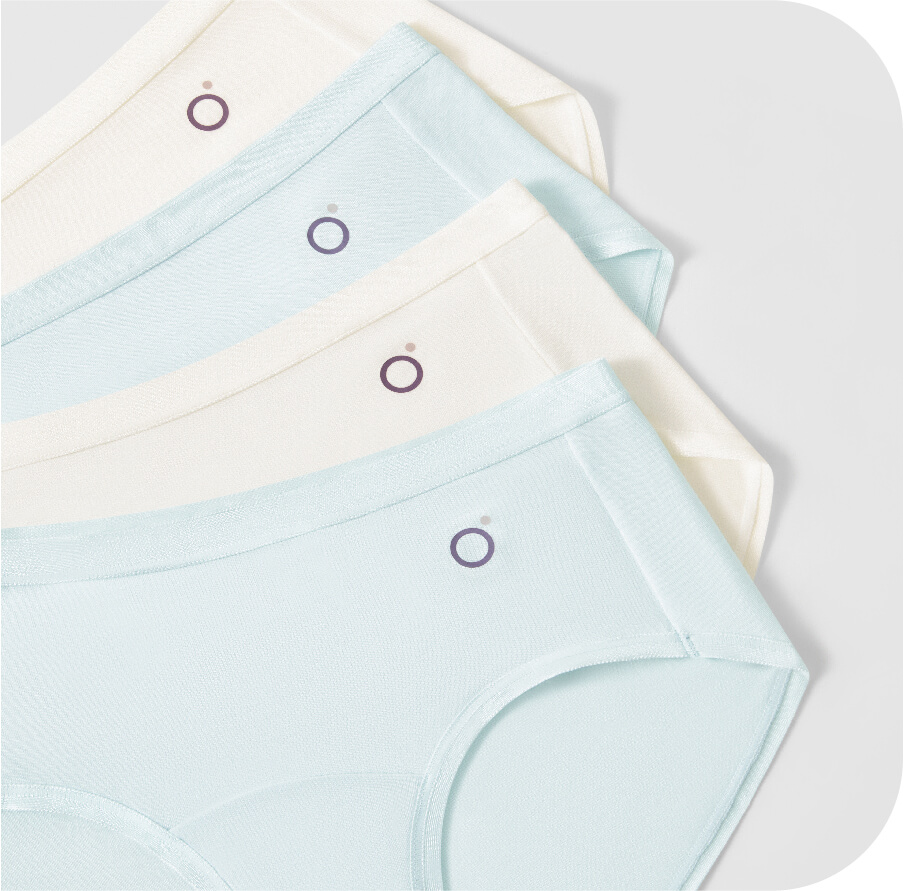
Underwear and close-to-skin apparel
Suitable for products where comfort, hygiene, and replacement frequency matter to the end user.
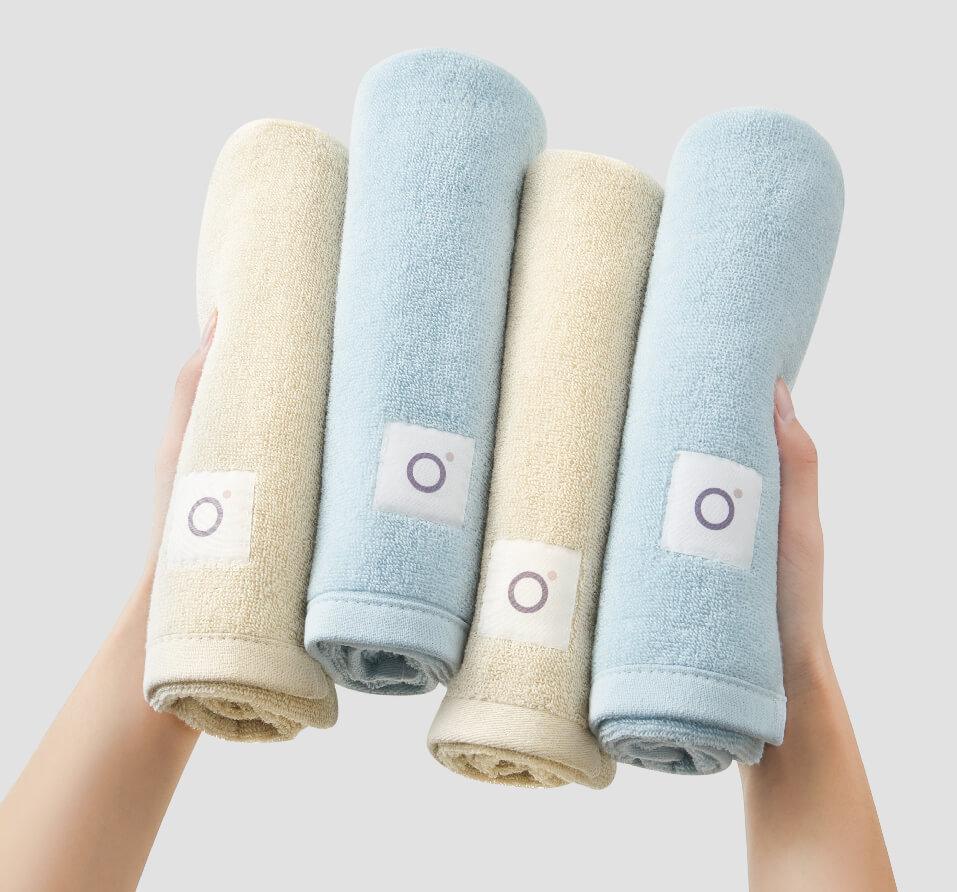
Babywear, towels, and home textiles
Useful for categories that are washed often and where parents or households want a clearer replacement cue.
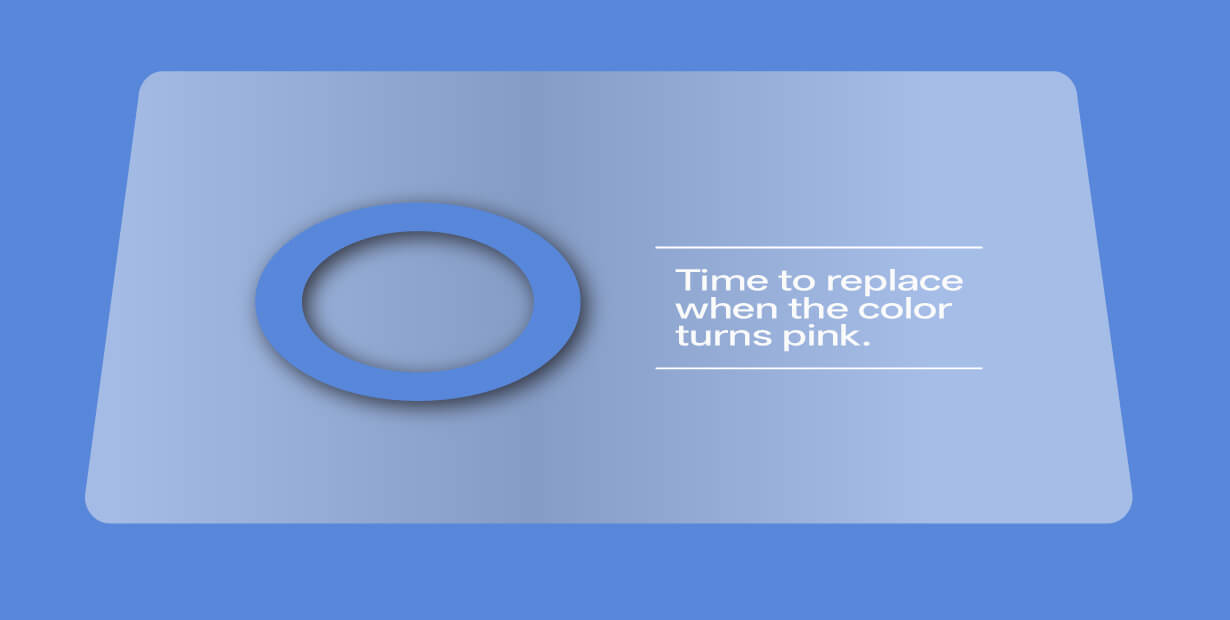
Hospitality and high-use textile programs
Relevant for textile products where service quality and replacement timing need a more visible logic.
Why It Matters
Why use a lifecycle label?
For end consumers, the label makes replacement timing easier to understand. For brands, it creates a clearer story around hygiene, lifecycle, and repeat purchase.
- Many consumers do not know when towels, underwear, or bedding should be replaced.
- Bacteria, mites, and other buildup are hard to judge by appearance alone.
- Without a reminder system, replacement is easy to forget or delay.
- People want a cleaner, more comfortable, and more reassuring product experience.
- It adds a visible product feature that customers can understand quickly.
- It helps brands create stronger product differentiation in competitive categories.
- It supports customer retention through a clearer replacement cycle.
- It gives brands a better hygiene, lifecycle, and added-value story.
Useful on product pages, packaging, and shelf-level communication.
WiseLabel turns replacement timing into a product feature people can understand visually, instead of leaving the decision to memory alone.
Examples & Materials
Trusted by 30+ companies
Examples already exist across apparel, baby care, home textiles, and healthcare-related categories.
If you are evaluating category fit, we can discuss sample formats, qualification materials, and project references that are relevant to your product direction.
Close-to-skin product applications
Products such as underwear and intimate apparel make the replacement message easy to understand.
Home textile and towel use cases
Towels and frequently washed home textile products are natural places to show the lifecycle-label logic.
Product-direction overview
One product idea can extend across multiple textile categories with different replacement rhythms.





A towel and home textile example showing how replacement timing can become part of the product story.
A healthcare-related example where visible lifecycle cues support trust and practical use.
An apparel example that shows how the label can support communication beyond basic care instructions.
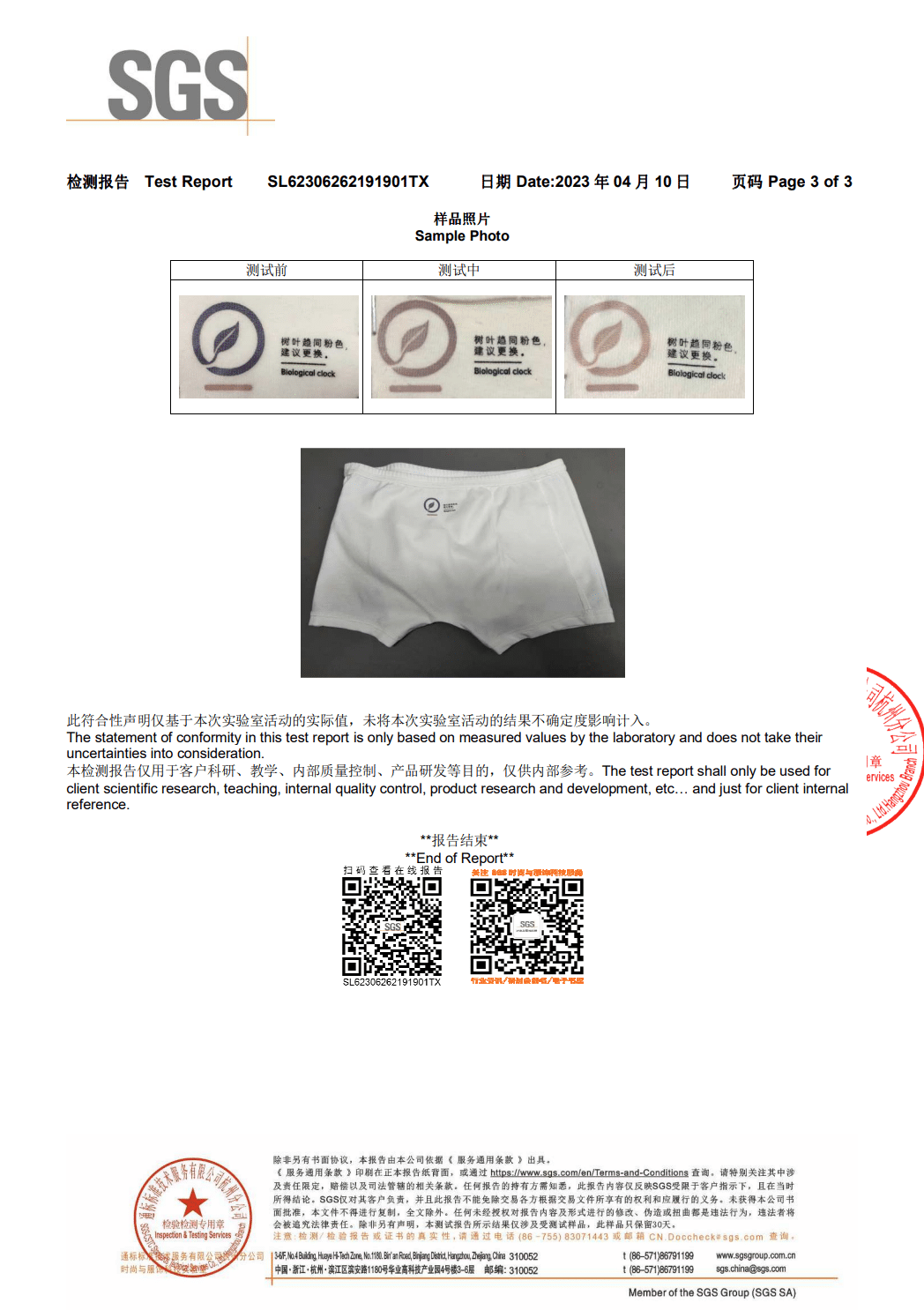
SGS testing
Testing information can be shared for projects that need verification of the lifecycle-indicator concept.
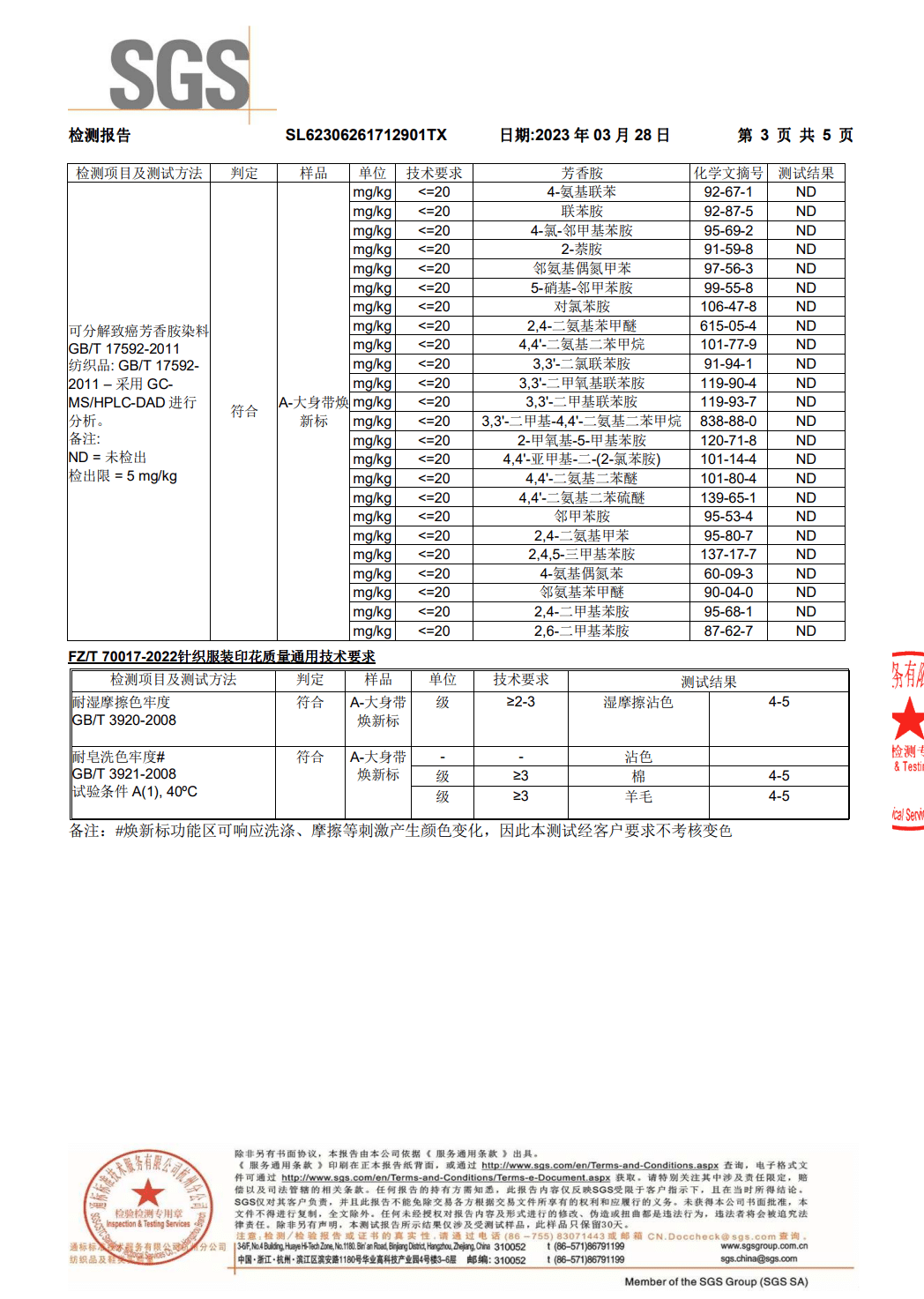
Class A standard
Relevant product discussions can include infant and toddler standard references where the category requires them.
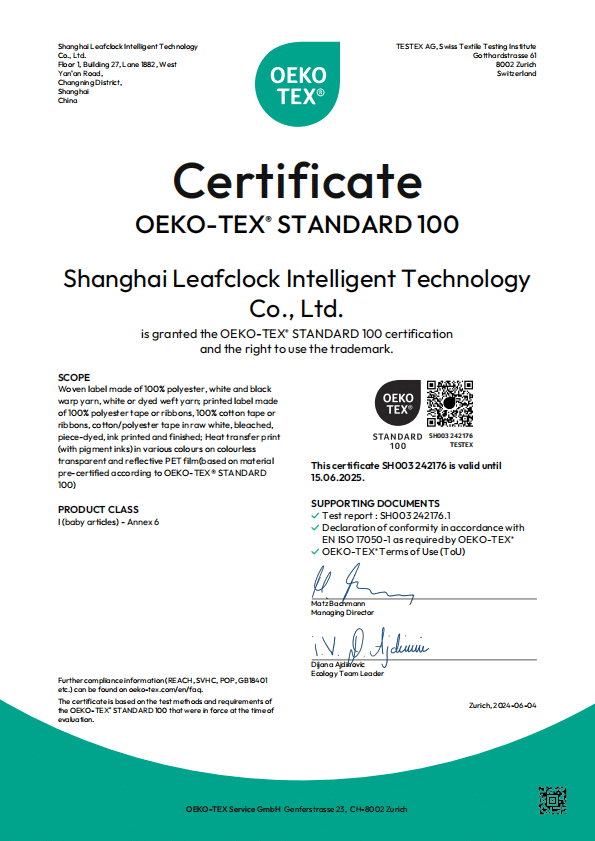
OEKO-TEX 100
Certification materials can also be discussed when ecological textile requirements are part of the project scope.
Start Here
Start with samples, customization, or a product discussion.
The fastest next step is usually sample review. If you already have a category in mind, we can also discuss product fit, customization, and project needs.
See the label in hand.
Start with sample review if you want to check appearance, touch, and visible color change logic.
Request SamplesMatch it to your product cycle.
Discuss replacement timing, label format, design integration, and product category fit.
See CustomizationEvaluate category fit with us.
If you already have a category or program in mind, we can talk through use case, materials, and next steps.
Contact Us