
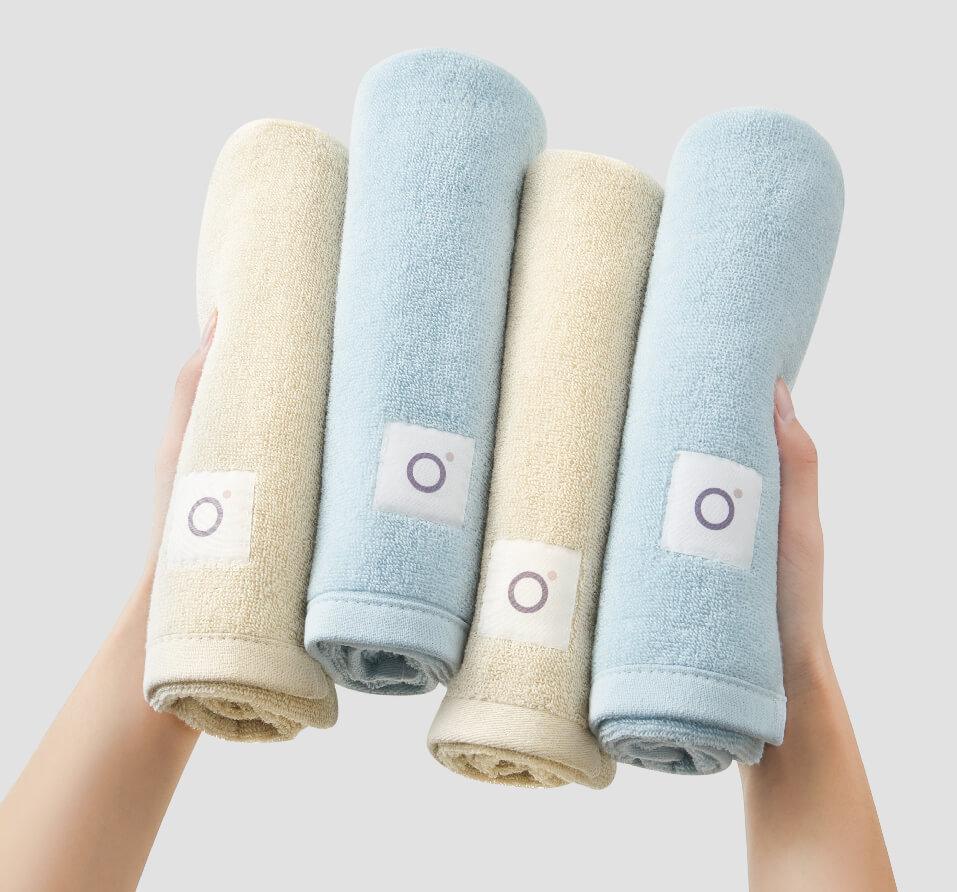
Home textile presentation
Lifestyle and product-context imagery helps buyers imagine how the label appears in real categories.
WiseLabel is already presented across different product categories and brand examples. These references help show where visible replacement reminders can support product communication in practice.
Trusted by 30+ companies
These examples are useful as category references. They help explain how WiseLabel can support visible replacement messaging across different types of textile products.






The strongest value of these examples is not the logo alone. It is the way they make category fit easier to imagine for a new buyer or product team.
Lifestyle and product-context imagery helps buyers imagine how the label appears in real categories.
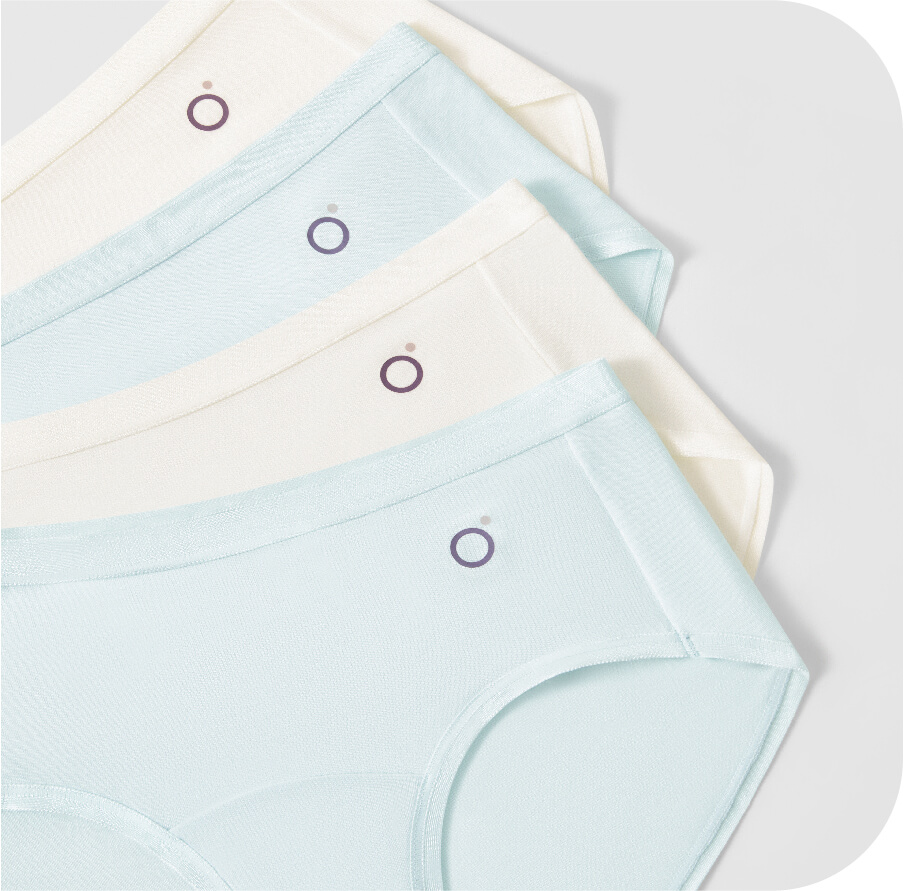
Products that touch the skin frequently often create the clearest hygiene and replacement story.
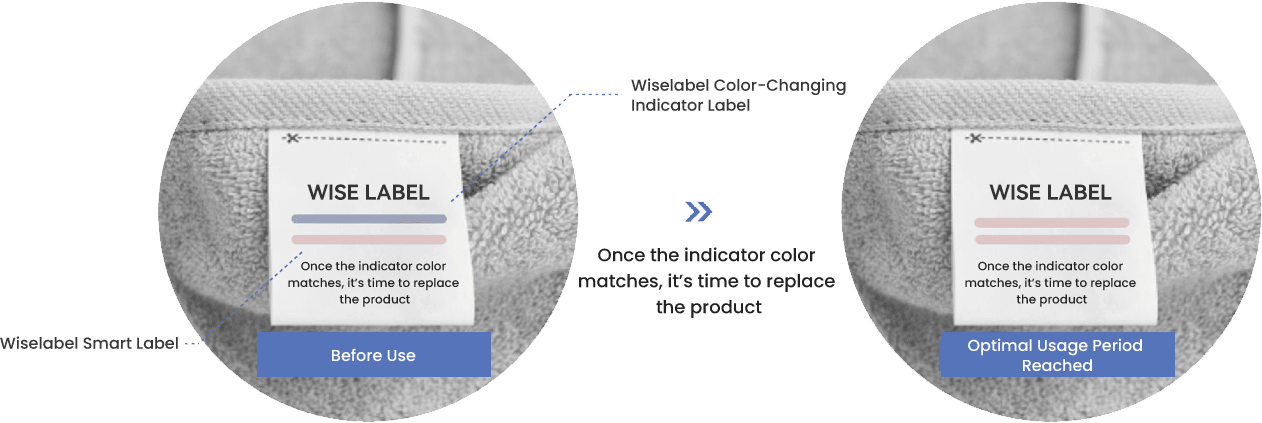
Visual product-direction boards help move the conversation from one category to a broader product portfolio.
A towel and home textile example showing how replacement timing can become part of the product story.
A healthcare-related example where visible lifecycle cues support trust and practical use.
An apparel example that shows how the label can support communication beyond basic care instructions.
Beyond category fit, buyers also want to understand what commercial change a visible lifecycle label can support. These are three direct ways to think about that value.
A clearer replacement cycle can make repeat purchase easier to understand and easier to communicate.
A visible label on the product creates recurring brand contact during washing and daily use instead of only at first purchase.
When people start relying on the reminder, replacement habits can become more regular and more connected to the product brand.
The value proposition is direct: the label can influence purchase decisions, repeat purchase, brand visibility, and the way customers talk about the product after they use it.
The visible replacement reminder can become part of why a buyer chooses the product instead of viewing it as a standard textile item.
A clearer lifecycle message can support stronger return behavior than products that leave replacement timing to guesswork.
The label gives buyers and reviewers something concrete to notice, talk about, and remember when comparing products.
When the replacement stage becomes visible, brands can communicate a more regular consumption rhythm with greater confidence.
More examples can help if you are comparing product directions or trying to judge whether the lifecycle-label idea fits your customer base.
A product-facing example where the label becomes part of the customer-facing value proposition.
A baby product example where softness, washing frequency, and reassurance matter to the buyer.
A daily-use example that helps show how the label can fit broader comfort and care categories.